equipment
Bars And Plates: What The Numbers Mean
Tensile strength, whip, knurling and plate tolerance explained in plain language.
6 minute read · 19/08/2026
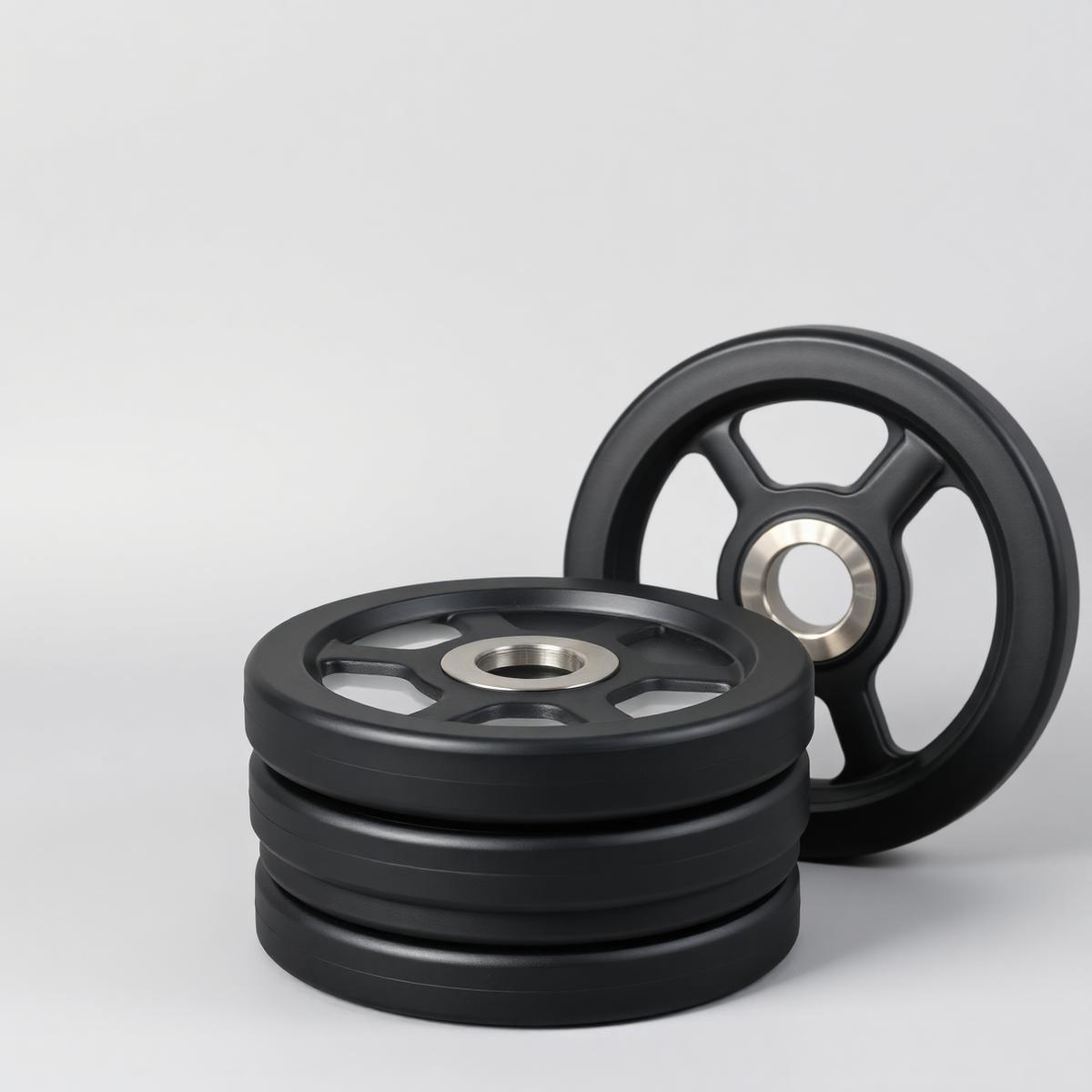
Tensile strength describes how much force the steel takes before it deforms permanently. Anything above one hundred and ninety thousand PSI is comfortably strong enough for a home gym.
Whip is the flex in the bar. Weightlifting bars have more of it because it helps in a clean; power bars have less because it makes a heavy squat easier to control. Most people want a general purpose bar somewhere in the middle.
Knurling is the diamond pattern that gives grip. Aggressive knurl suits deadlifts and heavy pulls; a gentler pattern is kinder if you train daily or press a lot.
Plate tolerance tells you how close a plate is to its stated weight. Calibrated plates sit within ten grams. Standard bumpers can be one percent out, which rarely matters unless you compete.